
Blog
Why Luxury Brands Are Turning to AI to Deliver Personalised Service

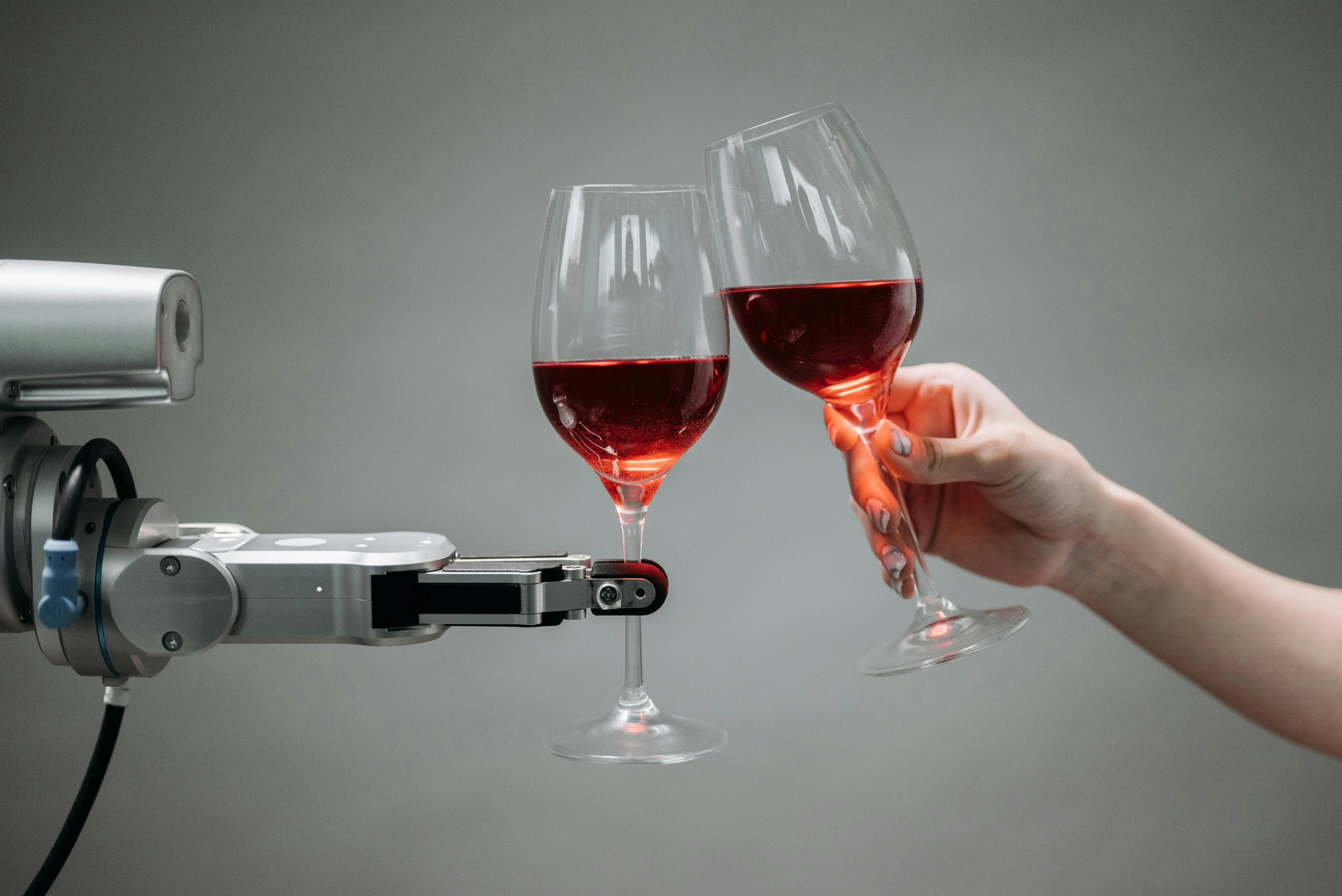
Why this matters
For years, luxury has meant personal. A maître d' who remembers your name. A concierge who knows your favourite wine or what your favourite restaurant was the last time you visited. A sales associate who calls when a limited-edition piece arrives. However, as more of the luxury experience shifts online, many brands face the same challenge: how do we create and maintain magic moments online when the human element is not present?
This is where AI steps in, not as a gimmick but as a subtle way to support elegance.
Scaling Service Without loosing that personal touch
Customers still want that sense of being remembered, even if they’re browsing your site at 2am on a Saturday. And while digital tools can handle the basics, they often miss the feeling of real, personal service.
To meet modern expectations, luxury brands are turning to digital concierge tools that offer the same level of attention as their in-person counterparts.
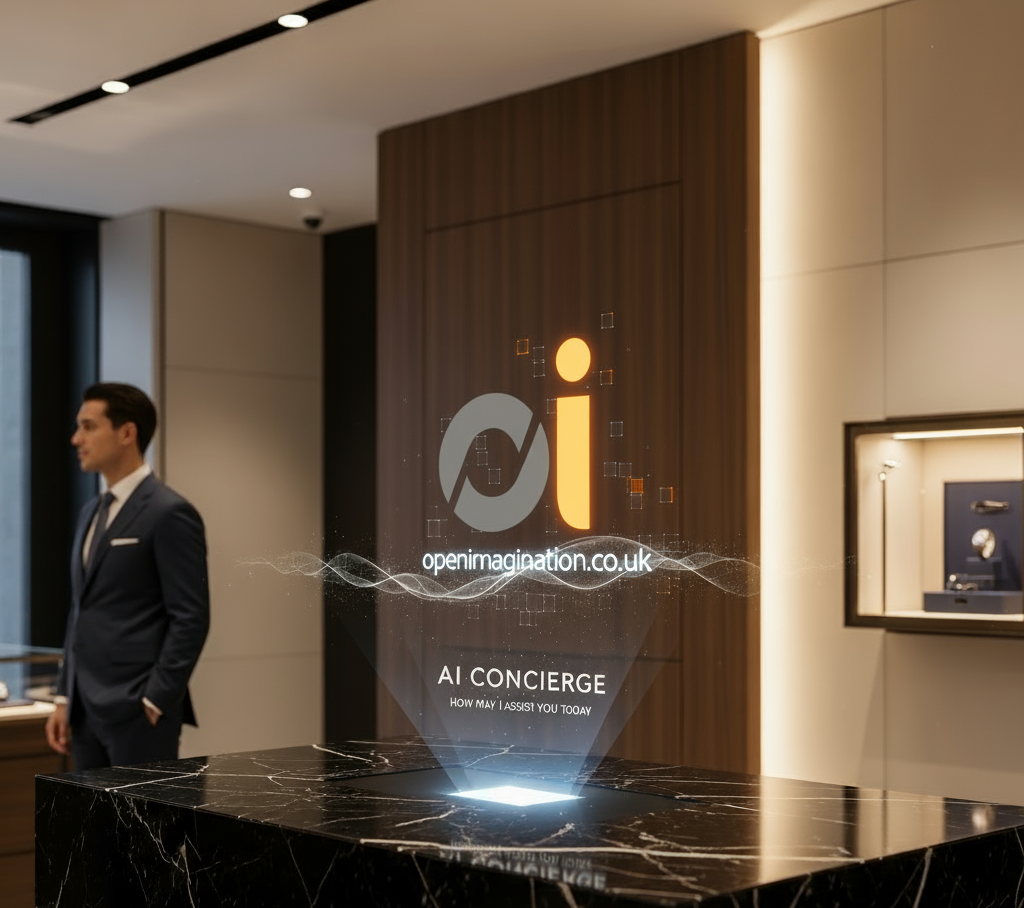
The Digital Concierge, Reimagined
When done well, AI doesn’t feel like technology at all. It just quietly helps. Like a good concierge, it remembers the little things that someone likes, when they last visited, and what they might need next.
Some brands are already getting it right. Think of a sommelier chatbot that doesn’t just spit out wine facts, but actually remembers you like earthy reds from the Rhône. A personal shopper who suggests a birthday gift based on past orders. Even the homepage content subtly changes depending on what time of day someone visits, or what they were looking at yesterday.
It’s not about being clever for the sake of it. It’s about making the experience feel more thoughtful.
Powering This Behind the Scenes: Drupal Modules and Tools
For brands using Drupal, a wealth of AI integration modules make these experiences possible.
Take the Drupal AI/OpenAI Module, which supports content generation, summarisation, and translation. It even enhances accessibility by auto-generating alt text for images, an essential but often overlooked detail in user experience.
Then there's the Personalization module, which allows content to shift in real time based on a user’s location, browsing behaviour, or customer segment. Imagine welcoming a UK-based wine lover with seasonal picks from local vineyards, or highlighting warm-weather products to someone visiting from Dubai.
More focused tools like Recommend AI automatically adapts to suggest related content, while Smart Content Engine adjusts what content displayed depending on who is visiting. These tools don’t just make experiences smoother. They make them feel tailored, almost handwritten.
Designing for Grace, Not Gimmicks
Of course, not every AI lands where it should. The best examples of this are subtle. They don’t overwhelm. Instead, they let the brand voice shine through.
Think of AI as an extension of your front-of-house team, not a replacement, but a quiet support act. It should carry the same tone, professionalism, and ease as your most experienced staff. It shouldn’t shout. It should guide.
And importantly, it should never replace those memorable human touches. The welcome note. The surprise upgrade. AI should take care of the boring and repetitive tasks. Humans deliver the exceptional.
The Business Case for Beauty
Getting this right doesn’t just feel good. It performs well, too.
Smart recommendations make checkout easier, while personalized content helps shoppers get to the products they want faster. Recognising returning customers increases loyalty. Your team can then focus their efforts where it really counts, not on repetitive queries but on crafting unforgettable moments.
Done well, AI doesn’t feel like automation. It feels like attention.
Creating Moments That Matter
Knowing your customers has always been about more than just being there. It's about emotion. The feeling they get when they are known and welcomed.
With AI, those moments are still very much possible. An email that arrives just in time for an anniversary. A homepage that recognises them, quietly showcasing their favourites without needing to ask. A chatbot that knows which room they stayed in last summer.
These touches don’t just help sell. They help build memory, loyalty, and joy .
Grace, at Scale
The best use of AI in luxury is the kind you barely notice. It should feel like someone’s thought of you. That’s what luxury has always been about and still can be, even online.
You don’t need to be a tech company to make this work. You just need the right tools, the right partner, and good intentions.
If you're ready to explore what AI could do for your brand, let's talk.
About the Author: With 16 years in hospitality behind him, George now works in web development, helping people make sense of tech and bring their ideas to life online.