
From the Drupal Summit in Lisbon to the AI Initiative Conference in Paris 2025 was a year of momentum, new ideas, and meaningful progress. Combined with day-to-day conversations and project challenges, this mix of influences has helped shape my thinking on where we’re heading in 2026. In particular, it clarified the evolving role of AI in combination with open-source systems. I think it poses some incredible opportunities in this space for 2026.
Looking back to look forward
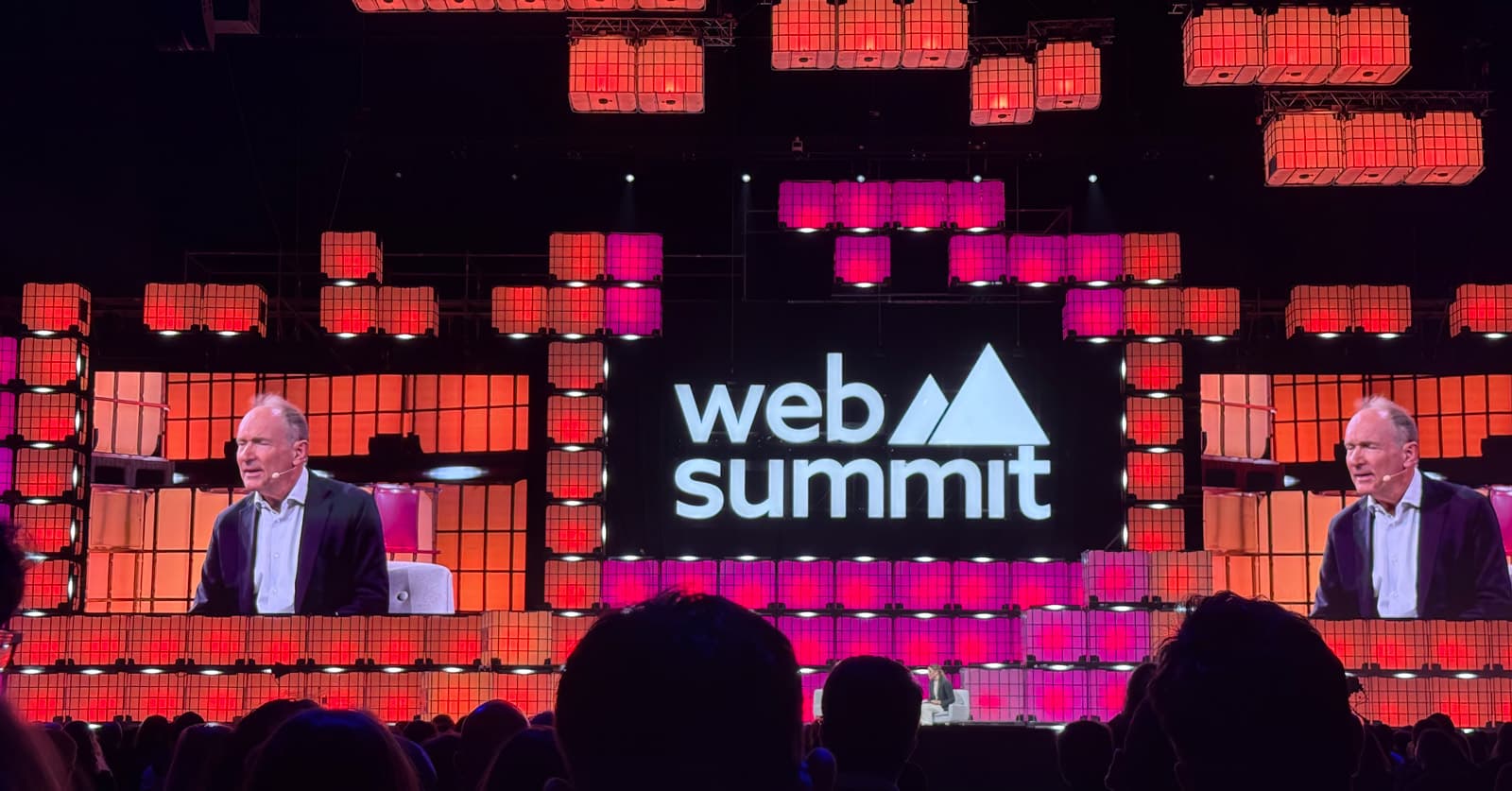
At WebSummit in Lisbon, I was inspired by a talk from Sir Tim Berners-Lee, and have since read his book: “The Internet is for Everyone”. This made me think about the pace at which we have evolved to then understand our trajectory moving forward, and what I was doing back in 1989 and 1990 when we were excited to be listening to music on Walkmans and happy to be using the power of a 64 meg computer.
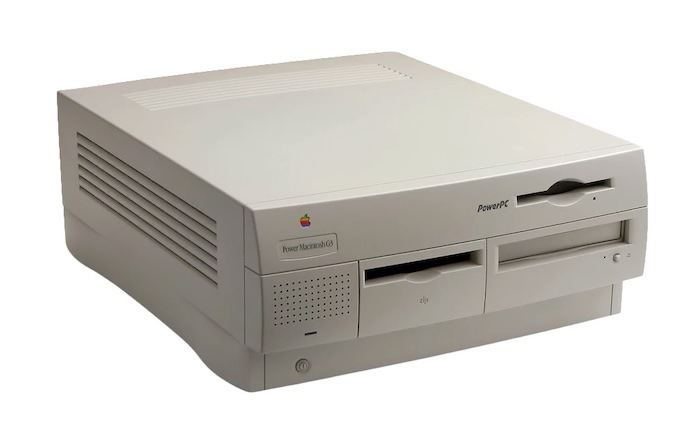 I was helping my father’s architectural practice, accessing the internet via a shared AOL dial-up modem, sending drawings via FTP, using Netscape on an Apple Macintosh G3, introducing the staff to CAD, and saving project files to carefully stored floppy disk drives.
Then moving into web design, 2000’s working in a digital agency using proprietary CMS built on ColdFusion for government and charities. To then embrace the Open Source world of Drupal in 2012 as a go-to platform to start a new web agency in London.
This doesn’t seem very long ago given where we are now. Technology has moved so fast, and now with the take up on AI this is now web technology is now supercharged. Drupal appears to be a quiet leader in terms of its exceptional architecture that appears to be built to support AI from the outset, enabling us to use AI in Drupal for countless creative applications that support our clients.
I realise that very soon, we’ll not need to be building solutions, our clients will be able to create their own and we will be positioned to help them ask the right questions.
Trust & Personal Data
One of the most pressing topics of the year at the Web Summit is how AI is shaping customer expectations and how customers' data is used given that tracking is everywhere yet we can’t choose who controls what and we can’t take our data back once we have opted in.
Sir Tim’s recent advocacy around data privacy stands out. He’s spoken out against companies profiting from people’s data without consent but is keen to help look at systems that put users in control of their data. so systems can be more aligned allow, ecommerce stores to access home addresses and work addresses when allowed, doctors to access smartwatch data to check activities etc. None of these could be possible without customers having centralised control of their data.
How Much is Changing
At this year’s Web Summit, the term “AI” was mentioned in every other sentence, to the point that it began to lose its weight. It reminded me that once a tool becomes truly integrated, we stop naming it. No one says “powered by electricity” anymore — soon, we won’t say “powered by AI” either as it slowly becomes incorporated in all the software we use. It feels like the little magic that’s been added.
What matters isn’t the tool, but what results it produces. This is where we focus: not on what’s trending, but on what’s valuable. We have been sifting through the noise to understand what are truly great time-saving and value add service and those that are not and there are plenty that are rabbit holes that are solving problems that don’t exist that we must be very mindful of. Just because a system can do a thing doesn’t mean we need it.
“AI” a Brand to Trust?
 We use various forms of ChatGPT and Claude right now, and our faith in these systems to produce high-value results is down to how we train and set them up. We have learned to hone our skills in effective prompting. In the ecommerce industry, confidence is very important and directly affects conversion rates, especially as customers start to trust AI to communicate with ecommerce stores to fulfil orders.
At Web Summit, Checkout.com shared compelling insights on how consumers feel about AI and ecommerce:
- 40% of UK consumers would let AI handle routine shopping tasks.
- 47% plan to use AI to manage their Christmas purchases.
- 71% are comfortable with AI shopping on their behalf.
- 1 in 3 already use AI to find the best deals.
- 18% would fully trust AI to make purchases for them.
This instantly changes how we will be optimising sites for ecommerce for 2026. This research reinforces the need to design for trust, transparency, and smooth transactions. Agentic commerce is coming — but consumers will expect control, reliability, and ethical handling of their data.
How Alive is our Industry
Every year we appear to be in exciting times with lots of transformations, lots of opportunities and plenty of faith and trust in new technologies now armed with AI superpowers.
Web Summit 2025 in Numbers
- 71,000+ attendees from over 157 countries
- 1,857 investors — the highest ever recorded
- 2,700+ startups on the show floor
- €618+ million raised, with €289 million going to AI-related startups
The scale of this year’s WebSummit event underlines just how vast web technologies are and the value that investors believe in so many technological ideas. The opportunities right now are incredible but only if the solutions developed bring genuine value.
Closing Thoughts
Looking back over the last 30 years, the pattern is clear: technology doesn’t just change what we can do, it changes what people expect. And the faster things move, the more valuable good judgment becomes.
In 2026, AI will become less of a headline and more of an invisible layer inside everything we use. What will stand out is the businesses that earn trust, respect personal data, and design experiences that feel genuinely helpful.
The opportunity isn’t simply to build smarter systems. It’s to build calmer, clearer, more human ones. And with open source foundations like Drupal, we’re in a strong position to help clients navigate what comes next, with confidence and responsibility.
Interesting Tech from Web Summit
A few tools stood out — not because they’re trendy, but because they hint at where workflows are heading next.
- Similarweb — Web traffic & competitor analysis
- Crew.ai — Agentic AI system platform
- Lightning AI — AI app building and deployment
- Zencoder AI — AI-powered coding assistant
- Snov.io — Lead gen and outreach automation
- Locofy — Design-to-code transformation
- Desqu — Accessibility-first design workflow
- Vtex — Headless ecommerce with enterprise integrations
- Amplyfi — AI-driven market intelligence
- Awin — Affiliate marketing network (formerly “Affiliate Window”)
- Syllby — Automated branded video creation
- Manus AI — Contextual personal AI assistant
Resources & References
- Checkout.com AI Survey – Sept 2025
- Web Summit 2025 Key Stats
- Web Summit Investor & Startup Numbers
- The Portugal News – AI Startups Funding
- Tim Berners-Lee, “The Internet is for Everyone” (Book)